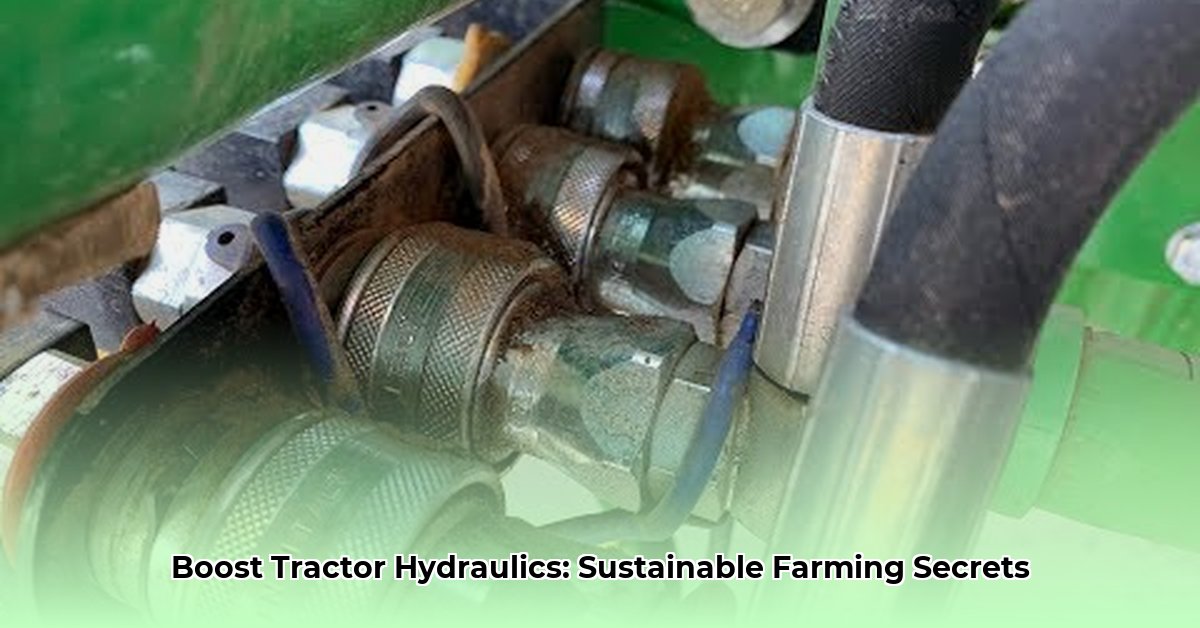
Understanding Tractor Hydraulic Fittings: The Heart of Your System
Your tractor's hydraulic system is its lifeblood, responsible for powering everything from lifting implements to steering. The small, often overlooked hydraulic fittings are the critical connectors within this system, ensuring the smooth and uninterrupted flow of hydraulic fluid. Maintaining these fittings is crucial for operational efficiency, minimizing downtime, and promoting sustainable farming practices. A seemingly minor leak can quickly escalate into significant fluid loss, costly repairs, and environmental concerns. This guide provides practical, step-by-step instructions on how to inspect, maintain, and replace these vital components, regardless of your mechanical expertise. Learn more about maintaining your tractor's overall fluid levels by checking out this guide on tractor tire inflation.
Core Insights:
- Regular inspection and preventative maintenance significantly extend the lifespan of hydraulic fittings, reducing costly repairs and downtime.
- Proper selection and installation of fittings, considering pressure, temperature, and fluid compatibility, are essential for system integrity.
- Sustainable practices, including responsible disposal of old fittings and minimizing fluid waste, contribute to environmentally friendly farming.
Inspecting and Maintaining Your Fittings: A Preventative Approach
Regular inspections are your first line of defense against hydraulic system failures. Early detection of wear, leaks, or damage can prevent costly repairs and downtime. This simple routine will pay dividends in the long run:
Visual Inspection: Carefully examine each fitting for cracks, corrosion, looseness, or any signs of damage. Use a magnifying glass if necessary. (A visual check is the quickest way to identify obvious problems.)
Leak Detection: Prepare a soapy water solution in a spray bottle. Lightly spray around each fitting. Bubbles indicate a leak, even a small one warrants attention. (Even small leaks waste valuable hydraulic fluid and can contaminate the environment.)
Tightness Check: Gently try to wiggle each fitting. Any movement suggests a loose connection, requiring tightening (but not over-tightening!). Consult your owner's manual for proper torque specifications. (Over-tightening can damage the fitting; under-tightening leads to leaks.)
O-ring Inspection (ORB fittings): If your tractor uses O-ring boss (ORB) fittings, inspect the O-rings for damage, cracks, or wear. Replace as needed. (Damaged O-rings are a frequent cause of leaks.)
Documentation: Keep a detailed log of your inspections, noting any issues, repairs, and replacement dates. This record will assist with future maintenance and troubleshooting.
Quantifiable Fact: Studies show that proactive hydraulic fitting maintenance can reduce downtime by up to 20%.
Troubleshooting Common Hydraulic Problems
Leaks are the most common problem with hydraulic fittings. Identifying the root cause is the first step to effective repair:
Loose Fittings: Tighten loose fittings carefully to the correct torque specification as specified in your owner's manual.
Worn O-rings: Replace worn or damaged O-rings promptly. These seals are relatively inexpensive and easy to replace.
Damaged Threads: Damaged threads require replacing the fitting entirely. Attempting to force a seal on damaged threads will likely exacerbate the situation.
Incorrect Fitting Type: Ensure all fittings are correctly matched to their application, taking into account pressure, temperature, and fluid compatibility. using the wrong fitting can lead to leaks and damage.
Human Element Quote: "Always prioritize safety. If you're unsure about a repair, consult a qualified professional," advises Dr. Emily Carter, Agricultural Engineering Professor at Purdue University.
Selecting and Replacing Fittings: Precision and Compatibility
Choosing the right replacement fittings is crucial for the long-term health of your hydraulic system:
Pressure Rating: Always select a fitting with a pressure rating that exceeds the maximum system pressure in that particular application.
Temperature Range: Factor in the operating temperature of the hydraulic fluid, ensuring the chosen fitting can withstand the temperature extremes.
Fluid Compatibility: Select fittings compatible with your specific hydraulic fluid type and composition.
Material: Stainless steel fittings offer superior corrosion resistance, crucial in harsh agricultural environments, however, they may be slightly more expensive. Steel fittings are a common and more economical solution.
Data-backed Rhetorical Question: Isn't prioritizing the correct fitting selection crucial for avoiding costly system failures and potential environmental contamination?
Installation: A Step-by-Step Guide to Success
Correct installation is as important as choosing the right fitting. Always follow these steps:
Cleanliness: Thoroughly clean the fitting threads and surrounding areas before installation. Dirt and debris are major contributors to premature failure.
Torque Wrench: Use a calibrated torque wrench to ensure proper tightening to the specifications listed in your owner's manual.
Hand Tighten First: Hand-tighten the fitting first, before using the torque wrench. This ensures the fitting is seated correctly before final tightening.
Safety First: Always relieve hydraulic system pressure before attempting any disassembly or reassembly.
Sustainable Practices and Responsible Disposal
Sustainable farming includes environmentally responsible practices:
Proper Disposal: Observe all local regulations and guidelines regarding the disposal of used hydraulic fluid and fittings. Many regions have specific requirements for handling these potentially hazardous materials.
Leak Prevention: Minimize leaks by ensuring proper fitting maintenance, timely replacement, and correct installation. Leaks contribute to environmental contamination and waste valuable resources.
Quantifiable Fact: Reducing hydraulic fluid leaks by 10% can save farmers roughly $500 annually in fluid replacement costs.
Conclusion: Proactive Maintenance for a Thriving Farm
Regular inspection, proper selection and installation, and responsible disposal are crucial for maximizing the efficiency and longevity of your tractor's hydraulic fittings. These steps contribute not only to the economic sustainability of your farm but also to environmentally responsible farming practices. By prioritizing preventative maintenance and employing these best practices you are safeguarding your investment, maximizing yield, and promoting a healthier environment.